

Weight gain is a part-and-parcel of life. But a woman with PCOS (polycystic ovary syndrome) has serious issues with weight gain. It becomes a constant struggle to lose weight when you have this health condition.
PCOS is a very common hormonal disorder in women in their childbearing age. This can also lead to concerns with fertility. But you aren’t here to read about fertility, are you?
Nonetheless, a woman with PCOS has an extremely high level of male hormones and is also insulin-resistant or less sensitive to it.
The good news is that you can get homeopathic treatment for PCOS. You can contact a homeopathic doctor and tell them what you are experiencing.
Weight gain is a consequence of having PCOS or PCOD. Dive into this post to find out why you gain weight in PCOD.
Why Gaining Weight During PCOS is a Problem?
Gaining weight during PCOS is common, but being obese is a serious problem. Most women with PCOD or PCOS gain weight, so the doctor recommends exercise and diet. Losing weight is difficult, but not impossible with the right medications and treatment.
Being overweight or obese increases the risk of serious heart disease, diabetes, uterine cancer, or sleep apnea. While we believe body positivity is excellent, one cannot ignore their health and continue living with extra weight.
Why Does PCOS Cause Weight gain?
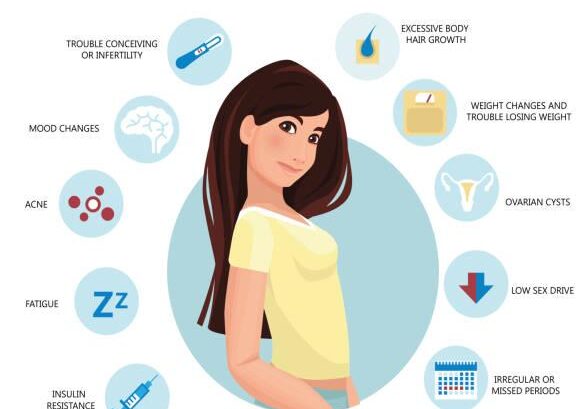
PCOS will cause weight gain due to the body\’s high androgen levels. This is due to the high insulin levels in the body. You will sprout facial hair, get acne, gain weight, have irregular periods, and other issues. Sometimes women don’t get their periods for a month, considering the body has high androgen levels.
The androgen in the abdomen region somehow triggers the weight gain. Isn’t that why men get a gut? Blame it on the male hormones. So, when a woman has PCOS, she has a high level of male hormones, which causes weight gain.
But please know that abdominal fat is dangerous. It increases the risk of getting a lethal heart disease.
What should you do about PCOS weight gain?
PCOS weight gain can be reduced and controlled by going to a homeopathic doctor and getting the right treatment. You need natural medications, a lifestyle change, and a positive attitude.
Most doctors also recommend going on a high-fiber and low-sugar diet. Your diet should consist of whole foods instead of processed foods. You may also exercise 30-40 minutes daily, like walking, doing Zumba, or any other aerobic activity.
You also need to eradicate vices like alcohol and cigarettes from your life.
The best way to lose weight and manage PCOS would be to visit a homeopathic doctor near you. You will get all the required details.
The PCOS Weight Gain–Mood Connection
Weight gain in PCOS rarely arrives on its own. Many women also notice mood dips, anxiety, or low motivation alongside the physical changes, and this isn’t a coincidence insulin resistance and hormonal swings affect mood regulation as well as metabolism. This can create a frustrating cycle: stress and low mood make it harder to stick to an eating and exercise routine, which in turn makes the hormonal imbalance and the weight gain harder to manage. Addressing the emotional side of PCOS, not just the physical symptoms, is often just as important for long-term weight management.
Can Weight Loss Reverse PCOS Symptoms?
Losing even a modest amount of weight often cited as around 5–10% of body weight can meaningfully improve insulin sensitivity, restore more regular periods, and ease androgen-related symptoms like acne and excess hair growth for many women with PCOS. It won’t cure the underlying hormonal condition, but it can significantly reduce how much it affects day-to-day life, which is why doctors usually recommend starting with lifestyle changes alongside any homeopathic treatment.
PCOS Weight Gain and Long-Term Health Risks
Beyond the visible weight gain, PCOS-related insulin resistance raises the long-term risk of type 2 diabetes, high blood pressure, and cardiovascular disease if left unmanaged. This is one reason doctors don’t treat PCOS weight gain as just a cosmetic concern getting ahead of the hormonal imbalance now can meaningfully lower these risks later on.
FAQs
Can PCOS cause sudden weight gain?
Weight gain from PCOS is usually gradual rather than sudden, building up over months as insulin resistance and androgen levels rise. A rapid, unexplained weight change is worth discussing with your doctor, since it may point to another underlying issue.
Do all women with PCOS gain weight?
Not universally some women with PCOS maintain a stable weight, particularly if their insulin resistance is mild, while others find weight gain one of their most noticeable symptoms.
Do polycystic ovaries themselves cause weight gain, or is it the hormones?
It’s the hormonal imbalance, not the ovarian cysts themselves, that drives weight gain. The cysts are a marker of the underlying hormonal condition, while the weight gain comes from elevated androgens and insulin resistance.
Why does PCOS weight gain settle around the belly rather than elsewhere?
Higher androgen levels shift fat storage toward the abdomen, giving many women with PCOS a more “apple-shaped” fat distribution rather than gaining weight evenly across the body.
Can PCOS weight gain be lost permanently?
Yes with a combination of hormonal management (including homeopathic treatment), a low-glycemic diet, and regular exercise, many women see lasting improvement, though ongoing lifestyle habits matter more than a one-time diet since the underlying hormonal tendency remains.
Is irregular periods and weight gain together always PCOS?
Not always, but the combination is common enough in PCOS that it’s worth getting hormone levels checked if you’re experiencing both, since other thyroid or metabolic conditions can also cause this pairing.