


Learn about menopause symptoms, specific homeopathic remedies, lifestyle changes, and how personalised homeopathic care can help women manage hormonal changes more comfortably.
Menopause is a natural stage in a woman’s life, but the changes that come with it can sometimes feel difficult to manage. Hot flashes, mood swings, sleep problems, tiredness, and emotional changes may affect daily comfort and overall well-being for many women.
While some women experience mild symptoms, others may struggle with changes that continue for months or even years. This is why many women now look for supportive and holistic ways to manage menopause more comfortably.
Many women explore homeopathic remedies for menopause as part of their wellness journey, especially when looking for more personalised care and long-term support for hormonal health. Unlike standard protocols that apply the same treatment to every woman, homeopathy treatment for menopause is built entirely around the individual’s specific physical and emotional symptoms.
With over 45 years of experience in individualised care, Expert Cancer Homoeo Clinic focuses on understanding each patient’s symptoms, lifestyle, and emotional well-being to support better overall health during different stages of life.
What Happens During Menopause?
Menopause is a natural biological transition that marks the permanent end of a woman’s menstrual cycle. It is officially confirmed when a woman has gone 12 consecutive months without a period. Most women reach menopause between the ages of 45 and 55 though the timing can vary significantly from woman to woman.
The three stages of menopause:
1. Perimenopause
It is the transitional phase that begins several years before menopause often in the early to mid-40s. During this time the ovaries gradually produce less oestrogen and progesterone. Periods may become irregular, heavier or lighter and symptoms like hot flashes, mood changes and sleep disturbance can begin even while periods are still occurring. Many women also experience PMS-like symptoms during perimenopause which is one reason why homeopathic remedies for PMS are sometimes explored during this transitional phase.
Perimenopause can last anywhere from 2 to 10 years. If you want to understand this in more detail, read our complete guide on Can Homeopathy Eliminate PMS for Life?
2. Menopause
Menopause itself is confirmed after 12 consecutive months without a period. At this point oestrogen levels have dropped significantly, and the ovaries have largely stopped releasing eggs. Symptoms are often most intense during this stage.
3. Post-menopause
Refers to the years after menopause. While many symptoms ease during this phase the long-term effects of lower oestrogen such as changes in bone density and cardiovascular health become important to manage over time.
Why do symptoms vary so much between women?
The drop in oestrogen affects virtually every system in the body from temperature regulation and sleep cycles to mood, bone health and skin. However, the degree to which each woman is affected depends on the rate of hormonal decline, lifestyle factors, stress levels, nutritional status and individual constitution. This is precisely why a personalised approach including homeopathic medicine for menopause selected based on individual symptoms often proves more effective than a one-size-fits-all protocol.
Common Challenges Women Face During Menopause
While hot flashes and mood swings are the most widely discussed menopause symptoms, many women face challenges that are less talked about but equally impactful on daily life.
1. Sleep disruption and its knock-on effects
Night sweats are one of the most disruptive aspects of menopause not just because of the discomfort they cause but because of the poor sleep quality that follows. Chronic sleep disruption during menopause contributes to daytime fatigue, reduced concentration, increased emotional sensitivity and a lowered threshold for stress. Many women find that addressing sleep disturbance is the single most impactful change they can make for overall menopause management.
2. Cognitive changes - The menopause fog
Many women report difficulty concentrating, forgetting words mid-sentence or feeling mentally slower than usual during menopause. This is often called brain fog and is directly linked to oestrogen fluctuations affecting neurotransmitter activity in the brain. It is one of the least discussed yet most experienced challenges and one that significantly affects confidence and work performance.
3. Joint and muscle discomfort
Lower oestrogen levels affect the body’s inflammatory response which is why many women notice increased joint stiffness, body aches and muscle heaviness during menopause. This is often mistaken for early arthritis and goes unaddressed.
4. Emotional and relational challenges
Mood swings during menopause are not simply about feeling emotional they reflect genuine neurochemical changes in the brain caused by hormonal fluctuation. Women may experience periods of irritability, tearfulness or anxiety that feel disproportionate to circumstances. This can affect relationships and self-image significantly if not properly supported.
5. Changes in bone and heart health
Lower oestrogen levels after menopause increase the risk of bone density loss and cardiovascular changes over time. While these are longer-term concerns rather than immediate symptoms, being aware of them and taking proactive steps including dietary support and regular monitoring is an important part of menopause management.
Hormonal imbalances during menopause share some similarities with other women’s health conditions. If you are also dealing with hormonal concerns, explore our guide on homeopathic treatment for PCOS for further support.
Understanding that these challenges have a clear physiological basis not just emotional ones helps women seek the right support and manage this stage of life with greater confidence.
Can Homeopathy Support Menopause Management?
Many women explore homeopathy during menopause because it offers something conventional hormone therapy often does not a treatment approach built entirely around the individual’s specific symptoms rather than a standard protocol applied to everyone.
In homeopathy, two women experiencing menopause will rarely receive the same remedy. One woman’s hot flashes accompanied by irritability and sleep disturbance will point to a completely different remedy than another woman’s hot flashes accompanied by weepiness and a desire for company.
This individualised approach is one of the core reasons why homeopathic remedies for menopause are increasingly explored by women seeking more personalised support. Research published on PubMed Central also highlights the potential role of homeopathic care in managing menopausal symptoms.
How homeopathy may support menopause care:
- Focuses on both emotional and physical symptoms – Mood changes, sleep problems, tiredness and physical discomfort are considered together
- Personalised approach for every woman- Symptoms vary from person to person so care is planned according to individual health needs
- Supports long-term wellness management – The focus is on improving overall hormonal balance
- Safe and non-toxic – No side effects and can be used alongside other treatments
Commonly used homeopathic remedies for menopause symptoms include:
1. Sepia
One of the most frequently indicated remedies for menopause. Prescribed when the woman experiences hot flashes with sweating, emotional flatness, irritability toward family members and a feeling of bearing-down heaviness in the pelvis. The woman often feels exhausted and indifferent to those she normally cares about.
2. Lachesis
Strongly indicated for hot flashes that are worse on waking, left-sided symptoms, talkativeness and a strong aversion to tight clothing around the neck or waist. Particularly useful when symptoms are worse after sleep.
3. Pulsatilla
Prescribed for women who are emotionally weepy, crave company and reassurance, experience shifting symptoms and feel better in open air. Useful when mood swings and emotional sensitivity are the dominant complaints.
4. Calcarea Carbonica
Indicated for women who feel chilly, tired and overwhelmed. Weight gain and anxiety about health are key indicators alongside hormonal changes.
5. Ignatia
Useful when menopause triggers significant emotional grief, mood swings, sighing and sensitivity. Often indicated when hormonal changes follow an emotional loss or major life transition.
6. Belladonna
Prescribed for sudden, intense hot flashes with flushing of the face, throbbing headaches and a feeling of heat radiating from the body. Symptoms come on suddenly and intensely.
7. Graphites
Indicated for women who experience weight gain, chilliness, skin changes and emotional heaviness during menopause. Particularly useful when constipation and sluggishness accompany hormonal changes.
8. Sulphur
Prescribed when hot flashes are intense and burning, the woman feels too warm at night, pushes covers off and experiences skin-related complaints alongside menopause symptoms.
Important: The right homeopathic medicine for menopause depends on the complete symptom picture — physical, emotional and hormonal. Self-medication is not recommended. A thorough case assessment by an experienced homeopathic practitioner is essential before any remedy is prescribed.
Understanding Menopause Drops in Homeopathy
Menopause drops in homeopathy refer to liquid homeopathic preparations typically combinations of multiple remedies in a single formulation that are prescribed to support women through common menopause symptoms. They are usually taken in small doses diluted in water and are designed for ease of use during the active phase of hormonal transition.
Unlike classical constitutional homeopathy where a single remedy is selected based on the complete individual symptom picture, menopause drops in homeopathy often combine several remedies commonly indicated for hot flashes, mood changes, sleep disturbance and hormonal imbalance. This makes them a practical option for women who are in the early stages of seeking homeopathic support.
How menopause drops are typically used:
- Taken in small amounts diluted in water usually 10 to 15 drops
- Frequency depends on symptom severity and professional guidance
- Used as part of a broader treatment plan that may include dietary and lifestyle advice
- Not a substitute for a thorough constitutional assessment in complex cases
What to expect: Results from menopause drops vary depending on the severity of symptoms and the individual’s overall health. Some women report improvement in hot flash frequency and sleep quality within a few weeks. For deeper hormonal imbalances a more thorough constitutional assessment may be recommended alongside or instead of drops.
The most important thing to remember is that even liquid homeopathic preparations should be recommended by an experienced homeopathic practitioner the right combination and potency matter significantly for results.
Lifestyle Habits That May Help During Menopause
Healthy daily habits can play an important role in helping women feel more comfortable during menopause. Small and consistent changes may support better physical and emotional well-being over time.
Helpful habits women can follow:
- Stay physically active — Walking, yoga, stretching, or light exercise may help support mood and energy levels
- Maintain a balanced diet — Fresh fruits, vegetables, protein-rich foods, and calcium-rich meals may support overall health
- Follow a proper sleep routine — Regular sleep habits may help reduce tiredness and emotional stress
- Manage stress levels — Relaxation activities, meditation, and breathing exercises may support emotional balance
- Drink enough water — Proper hydration can support overall comfort and daily wellness
Foods that may support better wellness during menopause:
| Food Type | Benefit |
|---|---|
| Fruits and vegetables | Support overall nutrition and antioxidant intake |
| Calcium-rich foods | Help maintain bone health post-menopause |
| Protein-rich meals | Support strength and energy levels |
| Whole grains | Help maintain steady energy throughout the day |
| Phytoestrogen-rich foods | Flaxseeds, soy, and chickpeas may support hormonal balance naturally |
Simple daily habits mapped to menopause concerns:
| Menopause Concern | Supportive Lifestyle Focus |
| Hot flashes | Staying hydrated and reducing caffeine |
| Mood swings | Better sleep and emotional support |
| Fatigue | Balanced nutrition and regular activity |
| Sleep problems | Relaxing bedtime habits and reduced screen time |
| Joint discomfort | Gentle movement and anti-inflammatory foods |
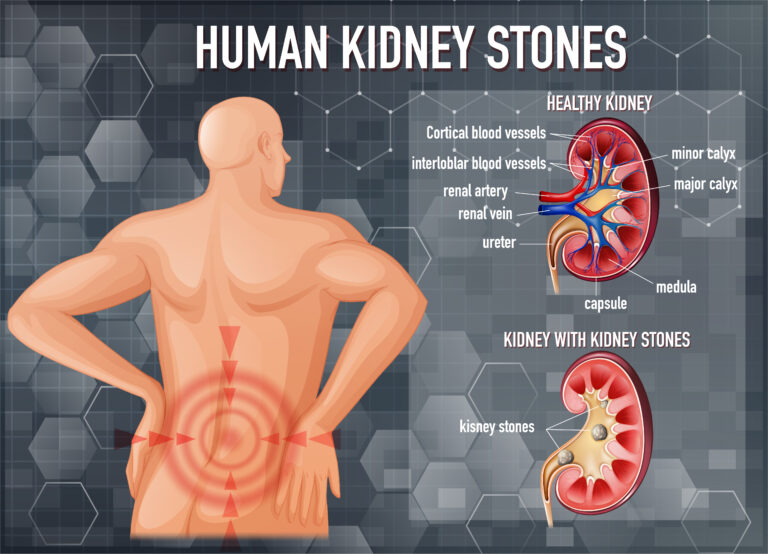
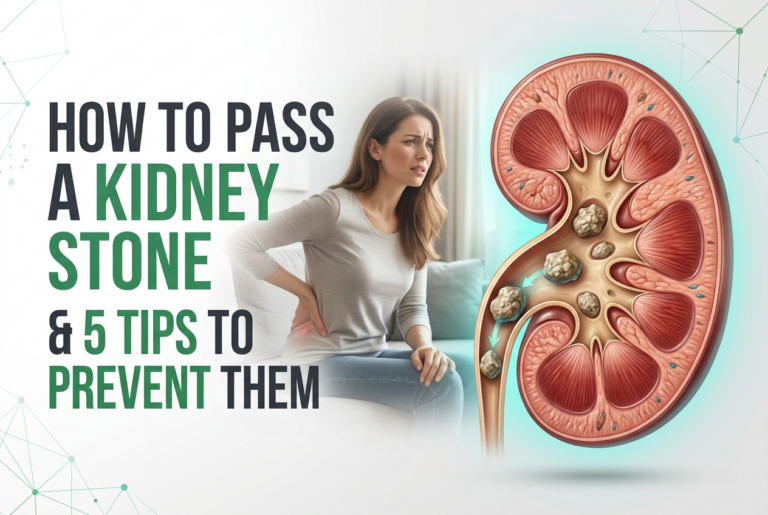
Managing Kidney Stone Pain with the Right Support
Kidney stone pain can feel overwhelming, especially when it starts suddenly and affects everyday comfort. But with prompt care, basic home steps, and proper advice, you can handle the discomfort and lower the risk of it coming back.
Focusing on hydration, balanced habits, and early attention to symptoms can make a meaningful difference. At the same time, many individuals seek supportive approaches that go beyond temporary relief to help maintain long-term kidney health.
Expert Cancer Homoeo Clinic has decades of experience in providing specialised homoeopathic care for chronic and complex conditions. With a patient base of over 5,00,000 individuals, including those dealing with kidney-related concerns, the clinic follows a personalised and holistic approach to treatment.
For those seeking homeopathic treatment for kidney conditions, guided care can help in managing symptoms more effectively while supporting overall well-being.
If kidney stone pain is recurring or becoming difficult to manage, seeking a timely consultation can help choose a safer, more structured path forward.
Book an appointment with us now to receive personalised support for your condition.