

Learn easy ways to pass and prevent kidney stones with daily habits and homeopathic remedies for long-term kidney health.
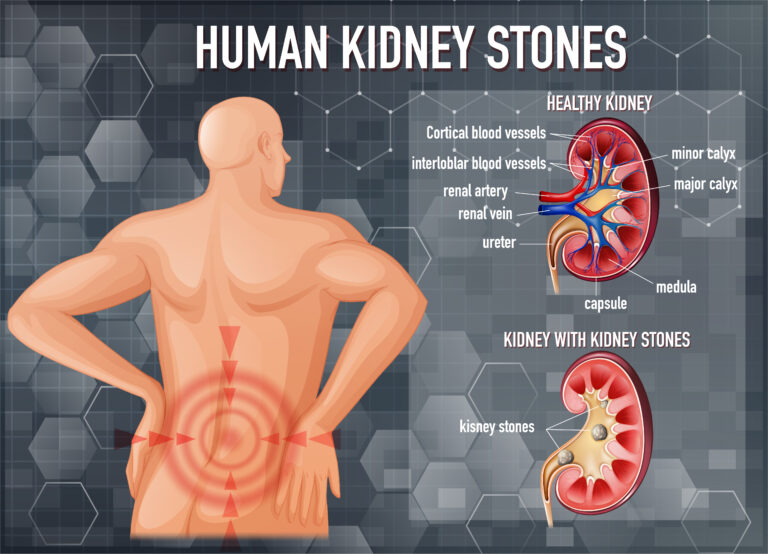
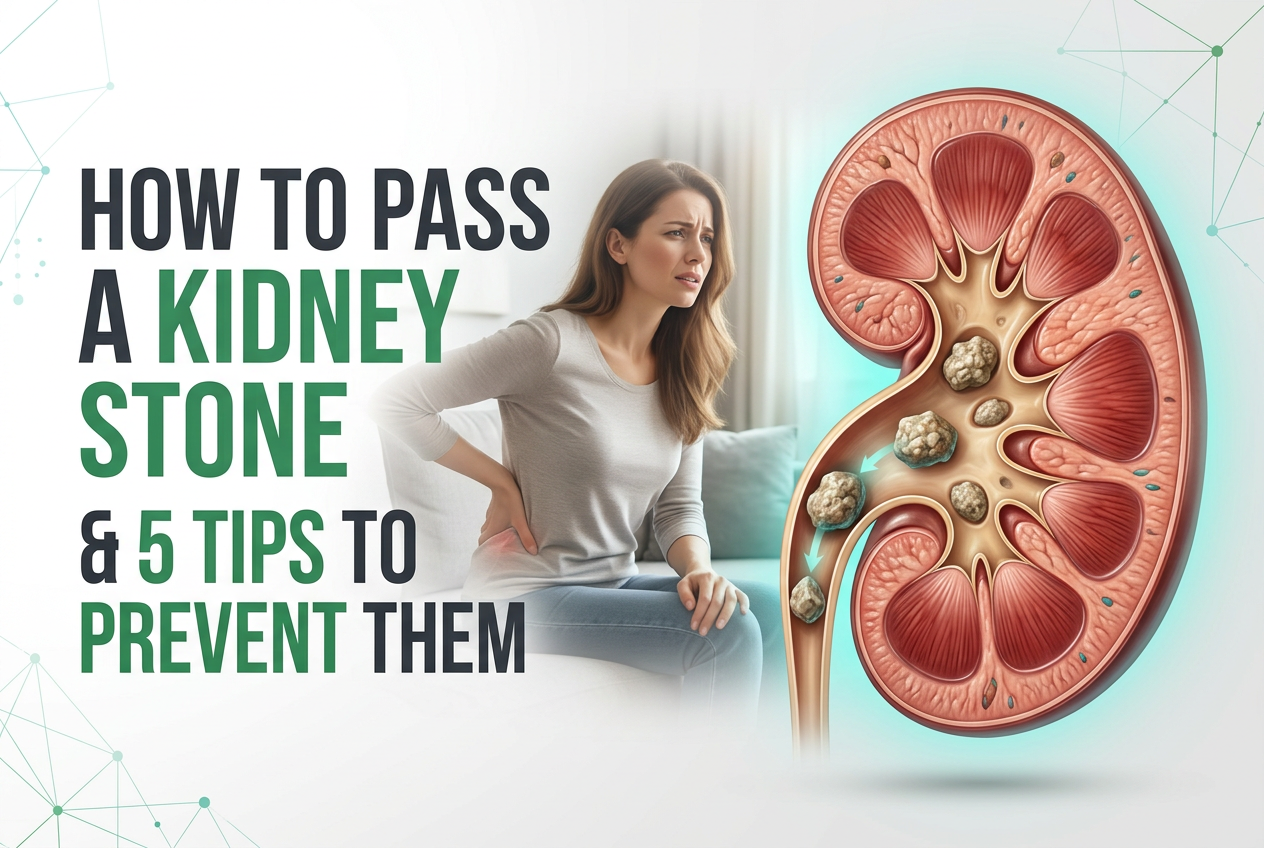
Kidney stones are a common health problem that can cause sudden and intense pain. They form when minerals and salts build up in the kidneys, creating hard deposits. While some stones pass on their own, others may require proper care and guidance.
Many people look for ways to manage this condition naturally and avoid repeated episodes. Along with conventional care, homeopathic treatment for kidney conditions is often considered by patients who prefer a more holistic and supportive approach. It focuses on improving overall kidney health and managing symptoms gently.
Understanding how to pass a kidney stone safely and what steps can help prevent it can make a significant difference in long-term health. This guide explains in a simple, practical manner.
Why Do Kidney Stones Form?
Kidney stones do not appear suddenly. They usually develop over time due to a combination of daily habits and internal imbalances in the body.
One of the most common reasons is low water intake. When the body does not get enough fluids, urine becomes concentrated. This allows minerals and salts to stick together and slowly form crystals, which can turn into stones.
Diet also plays an important role. Excess intake of salt, sugar, or certain foods can increase the chances of stone formation. At the same time, not maintaining a balanced diet may affect how the kidneys process waste.
Some people may also be more prone to kidney stones due to:
- Family history
- Repeated urinary infections
- Existing kidney-related conditions
In such cases, managing the condition becomes even more important. Along with lifestyle changes, many patients explore kidney stones homeopathy treatment as a supportive option to help reduce recurrence and maintain better kidney function over time.
Understanding these causes is the first step toward both managing and preventing kidney stones effectively.
Common Signs of Kidney Stones
Kidney stones can cause a range of symptoms, depending on their size and position in the urinary tract. Understanding these signs can help in taking timely action.
1. Severe pain in the back or side
This is one of the most common symptoms. The pain usually starts suddenly and may come in waves. It can move towards the lower abdomen or groin as the stone begins to pass.
2. Pain or burning sensation while urinating
As the stone moves closer to the bladder, urination may become uncomfortable or painful. This can sometimes be mistaken for a urinary infection. .
3. Blood in urine
The urine may appear pink, red, or brown. This happens when the stone causes irritation or minor injury in the urinary tract.
4. Frequent urge to urinate
You may feel the need to urinate more often than usual, even if only small amounts are passed. This may indicate that the stone is near the bladder.
5. Nausea or vomiting
The intense pain caused by kidney stones can sometimes lead to nausea or vomiting, especially in more severe cases.
Recognising these symptoms early allows better management of the condition. Along with basic care, some individuals also explore homeopathic home remedies for kidney stones as a supportive approach to ease discomfort and improve overall well-being.
How to Pass a Kidney Stone Safely
Passing a kidney stone can be uncomfortable, but in many cases, small stones can pass naturally with the right care and patience. The focus should be on supporting the body while reducing discomfort.
Stay well hydrated
Drinking enough water is one of the most important steps. It helps increase urine flow, which can push the stone out of the body more easily. Spreading water intake throughout the day is more effective than drinking large amounts at once.
Do not ignore pain; manage it carefully
Pain is a common part of passing a kidney stone. While mild discomfort can be managed at home, severe or unbearable pain should not be ignored. Proper medical guidance is important in such cases.
Make simple dietary adjustments
Avoiding excess salt and processed foods can reduce additional strain on the kidneys. Light, balanced meals are easier for the body to process during this time.
Give the body time
Kidney stones do not pass instantly. It may take a few days or even weeks, depending on the size of the stone. Staying consistent with care is important.
Many patients also consider homeopathic medicine for kidney stone support during this phase. It is often used alongside general care to help manage discomfort and support the body’s natural processes gently.
Can Homeopathy Support Kidney Stone Management?
Homeopathy is often chosen by individuals looking for a more holistic and supportive approach to managing kidney-related conditions. It focuses on understanding the individual’s symptoms and overall health rather than just the stone itself.
In the case of kidney stones, kidney stones homeopathy treatment is commonly explored for its supportive role. It aims to:
- Help manage pain and discomfort
- Support the body during the process of passing stones
- Reduce the chances of recurrence over time
Treatment is usually personalised, meaning the choice of homeopathic medicine for kidney disease depends on the patient’s specific symptoms, medical history, and overall condition.
It is important to understand that homeopathy is used as a supportive approach. Many patients use it with regular care to keep their kidneys healthy and feel better over time.
5 Practical Tips to Prevent Kidney Stones
Preventing kidney stones is often easier than dealing with them repeatedly. Small, consistent changes in daily habits can make a big difference in maintaining kidney health over time.
Keep Your Body Well Hydrated
Water helps dilute the minerals and salts that can form stones. When the body stays hydrated, urine becomes less concentrated, reducing the chances of crystal formation. Aim to drink water regularly throughout the day rather than all at once.
Reduce Excess Salt Intake
High salt intake increases urinary calcium levels, which can contribute to stone formation. Limiting processed foods, packaged snacks, and extra table salt can support better kidney function in the long run.
Maintaina Balanced and Controlled Diet
A diet that includes the right balance of nutrients supports overall kidney health. Avoid excessive intake of sugary foods and maintain portion control. Including fresh fruits and vegetables can also help maintain proper bodily balance.
Be Mindful of Oxalate-Rich Foods
Certain foods, such as spinach, nuts, and chocolate, contain oxalates, which may contribute to stone formation in some individuals. This does not mean avoiding them completely, but consuming them in moderation is important.
Consider Regular Monitoring and Supportive Care
If you have a history of kidney stones, regular check-ups can help in early detection and prevention. Many individuals also explore homeopathic treatment for kidney conditions as part of long-term care. In some cases, homeopathic cure for kidney stones are often searched by patients looking for natural support, but the focus should always remain on safe, guided, and consistent management.
When Should You Consult a Doctor?
While some kidney stones can pass on their own, it is important to first understand kidney stone symptoms, home relief and hospital treatments to know when home care is enough and when medical attention is necessary.
Severe or unbearable pain
If the pain becomes too intense or does not improve, it may indicate that the stone is stuck or causing complications.
Difficulty in passing urine
Reduced or blocked urine flow can be a serious concern and needs immediate evaluation.
Fever or signs of infection
Fever, chills, or burning sensations, along with pain, may indicate an infection that requires prompt treatment.
Repeated kidney stones
Frequent stone formation may indicate an underlying issue that requires proper long-term management.
Seeking timely guidance can help avoid complications and ensure better care for kidney health.
Supporting Kidney Health with the Right Approach
Managing kidney stones is not only about passing them once, but also about reducing the chances of them returning. With the right balance of hydration, diet, and timely care, most people can manage this condition effectively and improve their overall kidney health.
For individuals looking for a more holistic and supportive approach, homeopathic treatment for kidney disease is often considered alongside conventional care. It focuses on understanding the individual’s condition and supporting the body gently and in a personalised way.
Expert Cancer Homoeo Clinic has been offering specialised homoeopathic care since 1979, with decades of experience in treating chronic and complex conditions. With a patient-focused approach, the clinic has supported over 5,00,000 individuals, including thousands dealing with kidney-related concerns.
Their method uses personalised plans to promote long-term health and reduce the risk of the problem recurring. For those exploring kidney stones homeopathy treatment, consulting an experienced team can help in making informed and safe decisions.
If you are dealing with kidney stones or recurring symptoms, seeking timely guidance can make a meaningful difference.
Book an appointment to explore a supportive and structured approach to kidney care.