

The liver is one of the most hardworking organs in the body, quietly performing over 500 functions every day including filtering toxins from the blood, producing bile for digestion, regulating blood sugar, and metabolizing medications. Most people never think about their liver until something goes wrong.
The challenge with liver damage symptoms is that they are often subtle in the early stages easy to dismiss as tiredness, digestive discomfort or stress. By the time more serious symptoms like jaundice or abdominal swelling appear, the condition may already be significantly advanced.
Knowing the signs of liver damage early before they become serious can make a meaningful difference in treatment outcomes. This blog covers both early warning signs and advanced symptoms of liver damage, so you can recognize the signals your body is sending and seek timely care.
What are the Symptoms of Liver Damage?
Liver damage symptoms typically progress in stages from mild early warning signs to serious advanced complications. Recognizing them early gives you the best chance of effective treatment.
1. Early Warning Signs of Liver Damage
These symptoms are often overlooked or attributed to other causes, but they are your liver’s way of signaling that something is wrong.
2. Persistent Fatigue and Weakness
One of the earliest and most common signs of liver damage is unexplained tiredness that does not improve with rest. When the liver is damaged, it cannot efficiently convert nutrients into energy, leading to constant fatigue and a general feeling of weakness.
3. Loss of Appetite and Nausea
A damaged liver affects bile production and toxin filtration, both of which directly impact digestion. Loss of appetite, nausea after eating, and a feeling of fullness after small amounts of food are common early symptoms of liver disease.
4. Dark Urine
When the liver cannot properly process bilirubin,a yellow pigment produced by the breakdown of red blood cells it spills into the urine turning it dark brown or amber colored. Dark urine is an early sign of liver damage that is often dismissed as dehydration.
5. Pale or Clay-Colored Stools
Healthy stools get their brown colour from the bile produced by the liver. When bile flow is reduced due to liver damage, stools may appear pale, clay-coloured or greyish. This is a significant early warning sign of liver dysfunction.
6. Itchy Skin
Bile salts that accumulate under the skin when the liver is not functioning properly cause persistent itching medically known as pruritus. This itching often has no visible rash and is a commonly overlooked symptom of liver damage.
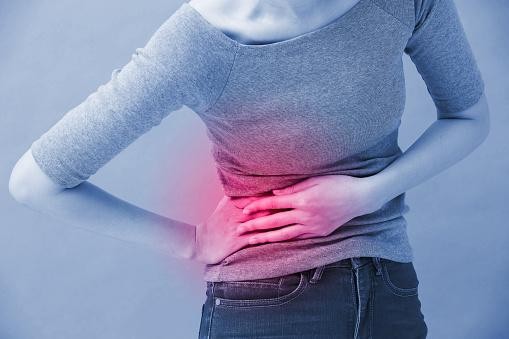
7. Abdominal Discomfort on the Right Side
The liver is located in the upper right section of the abdomen. Dull aching or discomfort in the right upper abdomen, particularly after eating, is an early indicator that the liver may be inflamed or enlarged.
8. Unexplained Weight Loss
Rapid unexplained weight loss without changes in diet or exercise can indicate that the liver is struggling to metabolize nutrients and regulate metabolism effectively.
Early Symptoms — Quick Reference Table
| Symptom | What it Indicates | When to Be Concerned |
|---|---|---|
| Persistent fatigue | Reduced energy metabolism in the liver | Fatigue persists beyond 2 weeks with no improvement after rest |
| Dark urine | Bilirubin processing failure | Dark urine appears alongside pale stools simultaneously |
| Loss of appetite | Digestive dysfunction due to reduced bile | Accompanied by unintentional weight loss of more than 2 kg in a month |
| Itchy skin | Bile salt accumulation under the skin | Itching is worse at night and does not respond to moisturiser or antihistamines |
| Right abdominal discomfort | Liver inflammation or enlargement | Pain sharpens after fatty meals or worsens progressively over days |
| Pale stools | Reduced bile flow from liver to intestine | Pale stools persist for more than 3 consecutive days |
| Unexplained weight loss | Metabolic dysfunction due to liver impairment | More than 5% of body weight lost within 4 to 6 weeks without dietary changes |
Advanced Symptoms of Liver Damage
If early symptoms are not addressed, liver damage can progress to more serious complications. These are signs that liver function has significantly declined, and immediate medical attention is required.
1. Jaundice
Jaundice is one of the most recognizable symptoms of liver damage characterized by yellowing of the skin and the whites of the eyes. It occurs when the liver cannot process bilirubin normally, causing it to accumulate in the blood and deposit in body tissues. Sudden onset jaundice or rapidly worsening jaundice may indicate acute liver failure or serious infection. If you have Jaundice, you should visit a homeopathy liver specialist in Lucknow as soon as possible.
2. Ascites — Abdominal Fluid Accumulation
Ascites occurs when fluid builds up in the abdominal cavity due to increased pressure in the liver’s blood vessels in a condition called portal hypertension. The abdomen becomes visibly swollen and distended. This causes significant discomfort, reduced appetite, and difficulty breathing as the fluid presses against the diaphragm. Ascites is a serious sign of advanced liver damage requiring prompt medical evaluation.
3. Bleeding Varices
Portal hypertension caused by advanced liver damage can cause blood vessels in the esophagus and stomach to swell and potentially rupture, a condition called bleeding varices. Symptoms include vomiting blood and passing black, tarry, sticky stools. This is a medical emergency. If you or someone you know experiences these symptoms call emergency services immediately.
4. Hepatic Encephalopathy
When the liver cannot filter toxins effectively, ammonia and other toxic substances accumulate in the bloodstream and reach the brain causing hepatic encephalopathy. Early signs include mood changes, difficulty concentrating, memory problems, disturbed sleep patterns, and difficulty with tasks requiring fine motor skills like handwriting. As the condition progresses, confusion, disorientation, extreme drowsiness and in severe cases loss of consciousness can occur. This is a medical emergency requiring immediate hospitalization.
Can Liver Damage Be Treated Naturally?
Identifying liver damage symptoms early is only the first step. The next and equally important step is understanding what treatment options are available and how they work.
For many patients’ homeopathic treatment offers a natural, side-effect-free and personalized approach to managing liver damage whether the underlying cause is liver cirrhosis, fatty liver disease, hepatitis or liver cancer.
How homeopathy approaches liver damage:
- Addresses the root cause of liver dysfunction not just the visible symptoms
- Stimulates the liver’s own regenerative capacity through constitutional remedies
- Manages associated symptoms like jaundice, fatigue, ascites and digestive discomfort naturally
- Safe to use alongside conventional liver treatment
- No steroids, no side effects, no dependency
Specific homeopathic remedies like Chelidonium Majus, Carduus Marianus and Lycopodium are commonly used for different presentations of liver damage selected based on the patient’s complete symptom picture rather than a generic diagnosis.
If you are experiencing any of the symptoms described in this blog for early or advanced consulting, an experienced homeopathy liver specialist can help you understand your condition and explore a personalized treatment path.
For patients dealing with liver cirrhosis, specifically our detailed guide on homeopathic treatment for liver cirrhosis covers the specific remedies, stages and treatment approach in detail.
When Should You See a Liver Specialist?
Not all liver damage symptoms require the same level of urgency. Here is a clear guide:
Seek emergency care immediately if you experience:
- Vomiting blood or passing black tarry stools possible bleeding varices
- Sudden severe confusion or loss of consciousness possible hepatic encephalopathy
- Rapid onset jaundice with fever possible acute liver infection
- Severe abdominal pain with distension possible acute liver failure
Book an urgent consultation within 24 to 48 hours if you experience:
- Jaundice that is worsening progressively
- Significant abdominal swelling that appeared recently
- Complete loss of appetite with rapid weight loss
- Extreme fatigue accompanied by dark urine and pale stools
Book a scheduled consultation if you notice:
- Persistent unexplained fatigue lasting more than 2 weeks
- Recurring mild right abdominal discomfort
- Itchy skin without rash
- Any combination of early warning signs described in this blog
At Expert Cancer Homoeo Clinic, our liver specialist in Lucknow provides personalized homeopathic evaluation and treatment for all stages of liver damage from early dysfunction to advanced liver disease. Online consultations are also available for patients across India and internationally.
Frequently Asked Questions
1. What are the first signs of liver damage?
The first signs of liver damage include persistent unexplained fatigue, loss of appetite, nausea, dark urine, pale stools, and itchy skin without rash. These early symptoms are often subtle and mistaken for other conditions. If you experience multiple early signs simultaneously seek medical evaluation promptly.
2. How do you know if your liver is damaged?
Common indicators of liver damage include yellowing of the skin or eyes (jaundice), dark urine, pale stools, persistent fatigue, abdominal swelling and right-sided abdominal discomfort. A definitive diagnosis requires liver function tests for ALT, AST, bilirubin and GGT along with ultrasound imaging.
3. Can liver damage be reversed?
Early-stage liver damage caused by fatty liver disease, mild hepatitis or alcohol can often be reversed with lifestyle changes and appropriate treatment. Advanced liver damage such as cirrhosis cannot be fully reversed, but its progression can be slowed and managed effectively with the right treatment approach, including homeopathic care.
4. What causes liver damage?
The most common causes of liver damage include chronic Hepatitis B or C infection, excessive alcohol consumption, non-alcoholic fatty liver disease, liver cirrhosis, autoimmune liver disease, certain medications and inherited liver conditions like hemochromatosis. Identifying the specific cause is essential for choosing the right treatment.
5. Is homeopathy effective for liver damage?
Yes, homeopathic treatment can be effective for liver damage, particularly in managing symptoms like jaundice, fatigue, ascites and digestive disturbances. Remedies like Chelidonium Majus, Carduus Marianus and Lycopodium are commonly prescribed based on individual symptoms. Homeopathy works best when starting early and combined with appropriate dietary and lifestyle changes.
6. When should I see a doctor for liver damage symptoms?
See a doctor immediately if you experience vomiting blood, black tarry stools, sudden severe confusion or rapidly worsening jaundice these are medical emergencies. Book an urgent consultation if you notice progressive jaundice, significant abdominal swelling or complete loss of appetite. Early symptoms like persistent fatigue and dark urine warrant for a scheduled consultation within a week.