

You’ve probably heard people talking about PCOD and PCOS and its symptoms. Women with PCOD or PCOS start seeing facial hair, which delays their period. But, women also notice serious weight gain. At least, that’s what people have been talking about!
You might be wondering – Can PCOD cause weight gain? Do you have anything to worry about? As for the worrying part, you should not be bothered because a homeopathic treatment can help you control the symptoms. But before you find out the PCOD homoeopathic treatment cost, let’s consider whether this health condition causes weight gain and why. Keep reading to find out!
Visible Signs You May Have PCOD
When talking about PCOD, we look at the signs and diagnosis. PCOD occurs when your hormones go out of balance. Women who have PCOD make more androgen which is a male hormone. The trouble is they make more androgen than required. Even a little increase could harm how the ovaries function.
Visiting a doctor can help confirm whether you have PCOD. They will look for the following symptoms:
- Presence of high male hormones such as abnormal body and facial hair growth.
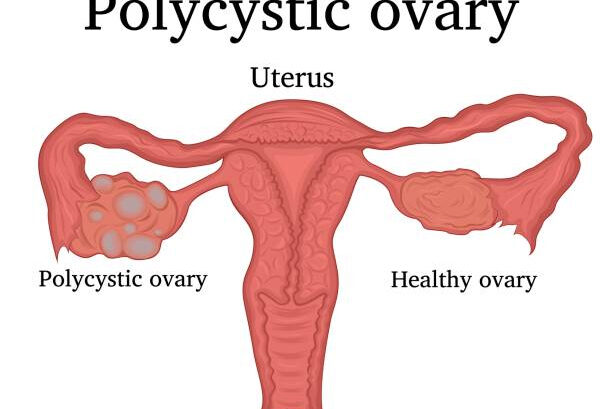
- Cysts growth on the woman’s ovaries. Some may have it, and some don’t.
- Missed periods or irregular periods due to the presence of androgen level.
PCOD may also cause some of the symptoms listed below:
- High cholesterol
- Infertility
- Depression
- Insulin resistance.
Speak with your gynecologist about the signs and symptoms before you can arrive at a judgment.
The Connection Between Insulin Resistance and the Trouble of Weight Gain
Most women with PCOD have an issue with insulin resistance. It happens when your body has problems pulling glucose from the bloodstream and converting it into energy. Thus, the body must produce much more insulin to maintain blood sugar levels. After a point, the body starts overproducing to keep the blood sugar normal. Insulin resistance can be a major contributor to weight gain. When the body’s blood glucose level rises, type 2 diabetes may develop.
PCOD can make a woman gain tons of weight. They can easily gain weight even if they are not eating too much. A lifestyle change can help, but it is best to speak to a homeopathic doctor. You will be surprised to find that most women with PCOD are obese, but it is being managed effectively by homeopathy and a lifestyle change.
You, too, can manage PCOD and reduce weight effectively. It can happen when you follow your doctor\’s advice, avoid certain food groups, and lead an active lifestyle.
Why Does PCOD Weight Gain Settle Around the Abdomen?
The extra weight from PCOD doesn’t distribute evenly across the body. Because it’s driven by higher androgen levels, most women notice it settling around the abdomen first, giving more of an “apple” shape than a “pear” shape. This abdominal fat sits closer to the internal organs and is considered more concerning for long-term health than fat stored elsewhere, since it’s linked with a higher risk of heart disease and diabetes. Many women with PCOD also notice their metabolism slowing down alongside the hormonal shift, so the body burns fewer calories at rest than before which is why even small dietary indulgences can show up on the scale faster than they used to.
How Much Weight Can PCOD Cause You to Gain?
There’s no fixed number weight gain from PCOD depends on how significant the hormonal imbalance is, along with diet, activity levels, and genetics. Some women notice a gradual gain of a few kilograms over several months, while others find it more pronounced and harder to shift through diet alone. What’s common across most cases is that the weight gain feels disproportionate to eating habits, which is exactly why doctors look at the hormonal picture rather than just calorie intake.
Managing PCOD Weight Gain: What Actually Helps
Since PCOD weight gain is driven by hormones rather than appetite alone, cutting calories on its own rarely gives lasting results. A more effective approach usually combines:
- A low-glycemic, high-fibre diet that keeps blood sugar — and therefore insulin — steadier through the day, rather than a strict low-calorie diet.
- Regular movement, even 30 minutes of brisk walking, yoga, or strength training most days, which improves the body’s insulin sensitivity over time.
- Consistent sleep and stress management, since poor sleep and high stress both push cortisol and insulin levels up, working against weight loss.
- Homeopathic treatment aimed at correcting the underlying hormonal imbalance, rather than the weight alone, since the two are closely linked in PCOD.
Most women see steadier, more sustainable results when these are combined rather than relying on diet changes on their own.
FAQs
Can PCOD cause weight gain even if I eat normally?
Yes. Because PCOD weight gain is driven by insulin resistance and higher androgen levels rather than overeating, many women gain weight without any real change to their diet.
Why does weight increase in PCOD, especially around the stomach?
Higher androgen (male hormone) levels in PCOD push fat storage toward the abdomen rather than the hips or thighs, which is why the weight gain often shows up as a fuller midsection first.
Do all women with PCOD gain weight?
No. PCOD affects women differently some notice significant weight gain, while others mainly notice irregular periods or skin and hair changes, with their weight largely unaffected.
Can acne and weight gain occur together in PCOD?
Yes. Both are usually linked to the same underlying cause elevated androgen levels so it’s common for acne, excess facial or body hair, and weight gain to appear together.
What is a realistic weight goal if I have PCOD?
Rather than chasing a specific number, most doctors recommend focusing on gradually improving insulin sensitivity through diet and activity even a 5–10% reduction in body weight has been shown to meaningfully improve PCOD symptoms.
Is PCOD weight gain the same as PCOS weight gain?
PCOD and PCOS overlap a great deal, and both involve androgen-driven, insulin-resistance-linked weight gain, though PCOS is classified as a more complex endocrine disorder read more in our related post on why PCOS causes weight gain.