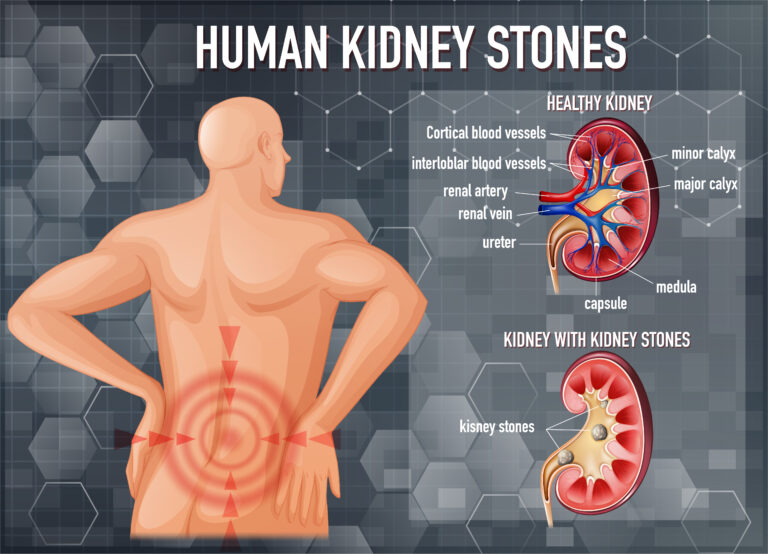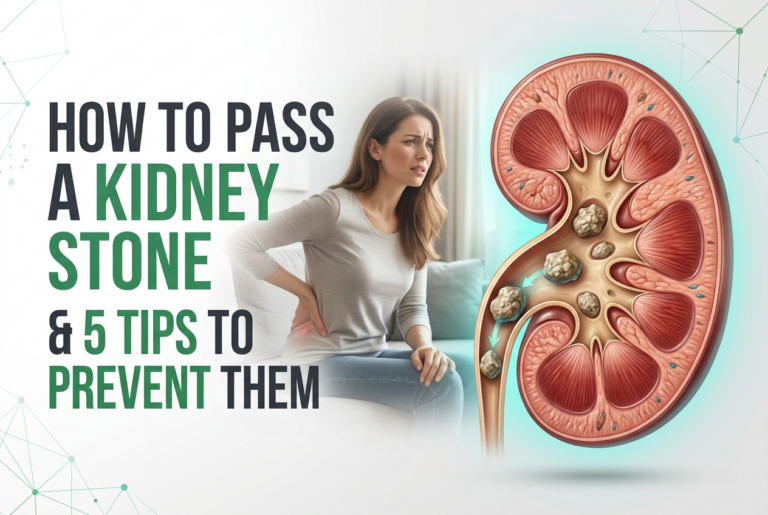



Learn how to spot kidney stone symptoms, ease discomfort at home, and explore gentle homeopathic treatments for healthy kidney care.
Kidney stones can be painful and disruptive, affecting daily life in unexpected ways. The pain can vary from mild to sharp and can spread from the back to the lower abdomen. Recognising early signs and knowing how to react can help manage the condition safely.
While home-based measures can provide relief and support the body during this time, professional care is important when symptoms become severe or persistent. Many individuals also explore homeopathic treatment for kidney conditions as a gentle, supportive approach that complements conventional management.
This guide will help you recognise common kidney stone symptoms, suggest simple home remedies, explain when to see a doctor, and highlight natural options for kidney health.
Recognising Kidney Stone Symptoms
Detection at an early stage helps with the management of symptoms and reduces complications associated with kidney stones. The following are typical symptoms of kidney stones, although they tend to differ from one person to another.
1. Pain and Discomfort
- Severe cramping or stabbing pains may start in the lower back and/or the sides before moving down towards the abdomen and groin areas.
- The pain can come in waves and worsen with physical activity or changes in posture.
- Smaller stones may cause mild discomfort, while larger ones can produce more severe pain.
2. Changes in Urination
- Increased urgency or frequency of urination.
- A burning or stinging sensation during urination.
- Blood in the urine, which can range from a slight pinkish tinge to a more noticeable red.
3. Other Signs and Symptoms
- Nausea or vomiting due to the intensity of pain.
- Restlessness or difficulty finding a comfortable position.
- Occasional fever or chills, which could indicate an infection alongside the stone.
Understanding these symptoms early can help you take timely action, including homeopathic remedies for kidney stones as part of a supportive care approach while monitoring the condition.
Simple Home Relief Measures
Managing kidney stone discomfort at home means relieving pain and helping the kidneys do their job. These steps can provide relief and help prevent the condition from worsening.
1. Hydration Strategies
Drinking water regularly helps dilute urine, reducing the concentration of minerals that can form stones.
- Tip: Sip water throughout the day instead of drinking large amounts at once.
- Warm fluids like herbal teas can also be soothing during episodes of discomfort.
2. Dietary Adjustments
What you eat can influence kidney stone formation and pain levels.
- Choose light, easily digestible meals and avoid heavy, oily, or processed foods.
- Reducing salt intake helps prevent excess calcium from building up in the urine.
3. Comfort Measures
Simple measures can relieve pain and ease muscle tension.
- Apply a warm compress or heating pad to the lower back or sides.
- Gentle stretching or short walks may help reduce cramping.
4. Monitoring Symptoms
Keeping track of pain intensity, urinary changes, and other symptoms can help you decide when to seek professional care.
- Note changes in urine colour or volume.
- Track when pain intensifies or becomes persistent.
5. Supportive Homeopathic Care
In addition to these home remedies, some individuals explore homeopathic medicine for kidney disease support. Homeopathy can provide a gentle, personalised approach to managing symptoms and supporting kidney function.
If you’re looking to expand your options, explore these natural remedies for kidney stones that complement homeopathic care.
When Hospital Treatment is Needed
Even though some steps at home can help address minor pain from kidney stones, there are instances when a doctor’s input is needed.
1. Persistent or Severe Pain
- If pain does not improve with home remedies or becomes unbearable, it may indicate that the stone is obstructing the urinary tract.
- Medical assessment can determine the size and location of the stone and guide appropriate treatment.
2. Blocked Urine Flow
- Having trouble urinating or a reduction in urinary output should be a cause for concern.
- Obstruction can place undue stress on the kidneys and may lead to other problems.
3. Recurrent Stones or Complications
- Frequent kidney stones may signal an underlying issue that needs investigation.
- Hospital care may involve tests to identify causes and prevent future occurrences.
4. Signs of Infection
- An infection may be signalled by fever, chill or burning accompanied by pain.
- Infections involving kidney stones are usually very serious and should be attended to immediately by doctors.
- Understanding these warning signs ensures that home management remains safe and effective. In many cases, supportive care, including kidney stones homeopathy treatment, can complement hospital care to promote comfort and overall kidney health.
Role of Homeopathy Alongside Conventional Care
Homeopathy can act as a complementary therapy along with other therapies for kidney stones. Rather than being an alternative to medication, homeopathy concentrates more on symptom alleviation based on personal experiences.
- Symptom-focused care: Homeopathy considers the type, intensity, and location of pain, as well as urinary changes.
- Complementary support: Remedies can be used alongside hydration, diet adjustments, and medical care to improve comfort.
- Long-term kidney health: Regular monitoring and individualised homeopathic plans may help maintain overall kidney function, reducing strain on the kidneys over time.
This approach emphasises safety, personalisation, and holistic care for those managing kidney stones.
Everyday Habits to Support Kidney Health
Beyond symptom management, consistent daily habits play a key role in reducing the risk of recurrence and supporting overall kidney well-being:
- Eat a balanced diet: Fresh fruits and vegetables, along with moderate protein intake, help prevent stone formation.
- Stay hydrated: Regular water intake helps keep minerals diluted and supports urine flow.
- Limit salt and processed foods: Excess salt increases urinary calcium, contributing to stone formation.
- Gentle physical activity: Short walks or stretching promote kidney function without causing strain.
- Consider supportive homeopathy: Using homeopathic medicine for kidney stone as part of a long-term plan can provide ongoing support for kidney health.
By combining these habits with symptom awareness and home remedies, patients can create a proactive, manageable approach to kidney stone care.
A Balanced Approach to Kidney Stone Care
Kidney stones are indeed painful and may disrupt daily life, but they can be managed easily with proper knowledge and effective techniques. Awareness, using natural methods at home, and adopting healthy kidney practices are key to alleviating pain and preventing the condition.
Alongside these steps, homeopathic cure for kidney stones can offer personalised support, focusing on individual symptoms and overall kidney function. This gentle method, when combined with other steps, helps patients feel better and maintain healthy kidneys over time.
Expert Cancer Homoeo Clinic, with decades of experience in providing specialised homeopathic care, emphasises a patient-centred approach that integrates natural support with professional guidance. Their focus on personalised treatment plans ensures each person receives care that fits their needs, helping them feel comfortable and healthy.
For anyone experiencing kidney stones or seeking supportive strategies to prevent them, combining home-based care with expert homeopathic guidance can make a meaningful difference.
Book an appointment today to explore a safe and personalised approach to kidney stone management.