
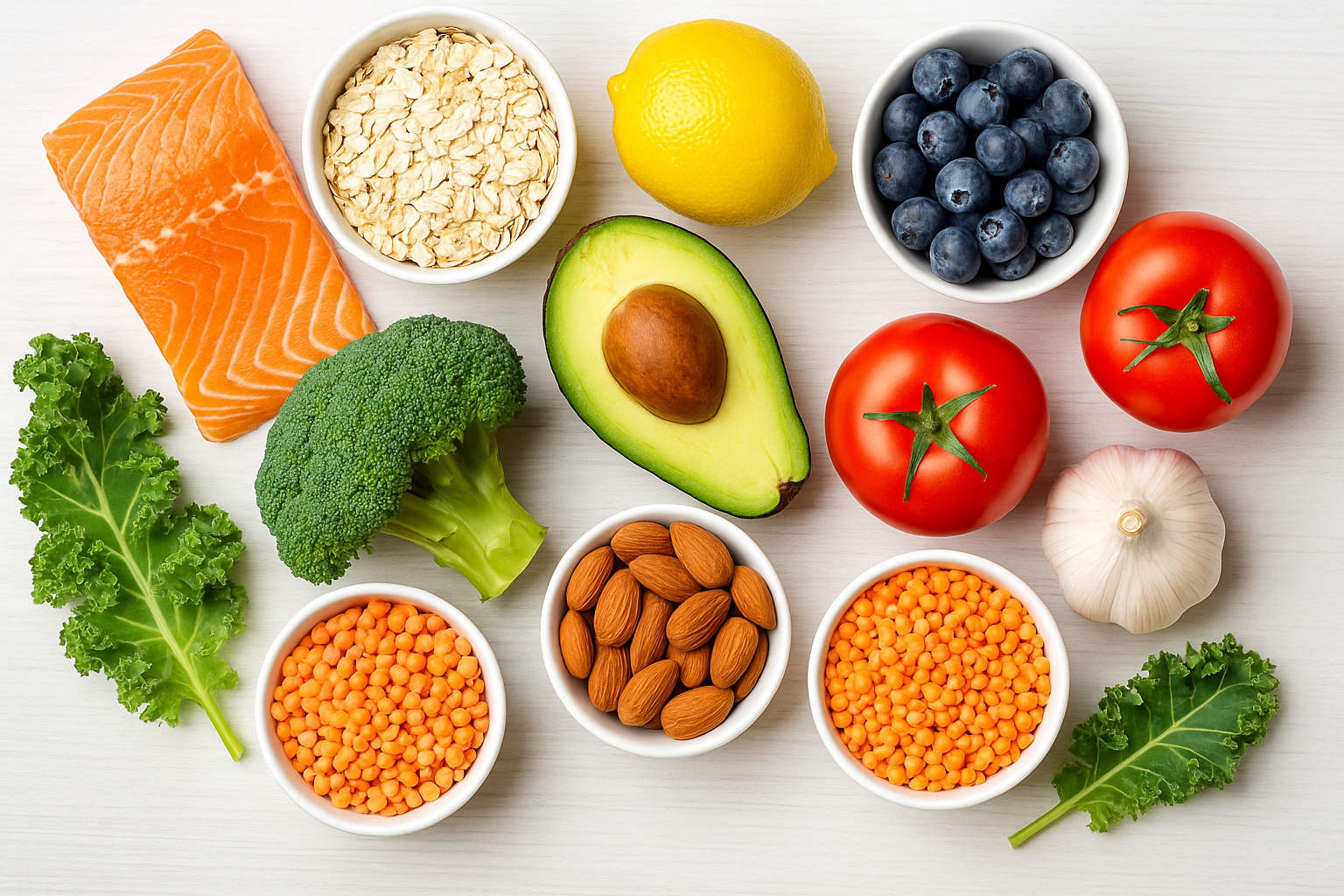
This blog explores how antioxidant-rich foods may play a role in reducing the risk of cancer.
With growing awareness of healthy living, many people are turning to antioxidant-rich foods—like berries, leafy greens, and green tea—as part of their everyday diet. These foods can help protect cells and are connected to a lower chance of chronic illnesses like cancer.
But how much of this is backed by science? And can antioxidants truly play a role in lowering cancer risk?
In this blog, we will explore antioxidants, how they interact with the body, and, based on current research, whether eating more of them can genuinely help prevent cancer.
What Are Antioxidants?
Antioxidants are natural substances that help protect our body’s cells from damage. They do this by fighting off something called free radicals — unstable molecules that can harm cells and may play a role in aging and diseases like cancer.
While our bodies produce some antioxidants on their own, many come from the foods we eat. These include nutrients like vitamin C, vitamin E, and beta-carotene, as well as plant compounds like polyphenols and flavonoids.
You’ll find antioxidants in a wide variety of foods — especially colorful fruits and vegetables, nuts, seeds, spices, and even drinks like green tea. Eating a mix of these foods every day is a simple way to support your overall health, right down to the cellular level.
How Do Antioxidants Relate to Cancer Prevention?
Our bodies go through a lot every day — from pollution to stress, many things can cause tiny harmful changes inside our cells. These changes often happen because of unstable molecules called free radicals. When they build up, they can damage cells and possibly lead to serious diseases like cancer.
Antioxidants help by blocking this damage. They neutralize free radicals and may protect cells from harm. That’s why eating foods rich in antioxidants is believed to help lower the risk of some cancers. A homeopathic physician may also consider antioxidant-rich diets a supportive element in holistic cancer care.
But here’s the key: antioxidants work best when they’re part of an overall healthy lifestyle. Eating well, staying active, avoiding smoking, and managing stress all matter too. So, while antioxidant-rich foods are a great support, they’re not a magic fix — just one helpful piece of the bigger picture.
Top Antioxidant-Rich Foods to Include in Your Diet
Eating a variety of antioxidant-rich foods is one of the easiest ways to support your overall health and possibly lower the risk of certain diseases, including cancer. Below are some everyday foods that are rich in antioxidants, grouped into easy-to-remember categories:
| Category | Examples | Key Antioxidants |
| Fruits | Blueberries, Strawberries, Oranges, Pomegranate | Vitamin C, Flavonoids, Anthocyanins |
| Vegetables | Spinach, Broccoli, Kale, Tomatoes | Beta-Carotene, Lutein, Lycopene, Vitamin E |
| Spices & Herbs | Turmeric, Ginger, Clove, Cinnamon | Curcumin, Polyphenols |
| Nuts & Seeds | Almonds, Walnuts, Sunflower Seeds | Vitamin E, Selenium |
| Drinks | Green Tea, Coffee | Catechins, Polyphenols |
| Others | Dark Chocolate, Beans | Flavonoids, Zinc |
These foods don’t just add flavor and color to your plate — they also offer a wide range of health benefits. Including them regularly in your diet is a natural way to help your body fight oxidative stress and stay in balance.
Other Rare Types
- Lung Carcinoid Tumors: These are slow-growing tumors that form in cells that release hormones. They are less common and tend to have a better prognosis.
- Mesothelioma: This rare cancer affects the lining of the lungs, typically caused by long-term exposure to asbestos. It is not technically lung cancer but is often grouped with other types of lung diseases.
Causes and Risk Factors
- Smoking (Primary Cause)
- Exposure to Secondhand Smoke:
- Environmental Toxins (Asbestos, Radon, Air Pollution)
- Family History and Genetic Factors:
- Occupational Exposure
Common Symptoms of Lung Cancer
- Persistent Cough: A cough that doesn’t go away or worsens over time.
- Chest Pain: Pain or discomfort in the chest, especially when coughing or breathing deeply.
- Shortness of Breath: Difficulty breathing or feeling breathless, even with light activity.
- Coughing Up Blood: A small amount of blood or rust-colored sputum when coughing.
- Fatigue and Weight Loss: Feeling tired and experiencing sudden or unexpected weight loss.
- Recurring Respiratory Infections: Frequent infections like bronchitis or pneumonia that don’t seem to go away.
Stages of Lung Cancer
For Non-Small Cell Lung Cancer (NSCLC)
- Stage 0: Known as “carcinoma in situ,” the cancer is tiny and localized within the lung’s lining. It hasn’t spread to surrounding tissues or lymph nodes. Treatment usually involves surgery or radiation.
- Stage I: In this stage, the cancer is limited to the lung and may affect a small portion of the lung tissue. Nearby lymph nodes show no signs of spread. The primary treatment involves surgery, which is usually followed by radiation therapy.
- Stage II: The cancer has grown and spread to nearby lymph nodes or chest structures, but it is still contained within the lung area. Treatment options may involve surgery, radiation therapy, and chemotherapy, based on the degree of cancer progression.
- Stage III: Cancer has spread to more distant lymph nodes or other structures in the chest, making it more challenging to treat. This stage may need a combination of surgery, chemotherapy, radiation therapy, and occasionally, immunotherapy.
- Stage IV: This is the final stage of cancer, where it has spread to other parts of the body like the liver, bones, or brain. Treatment typically focuses on managing symptoms and prolonging life through chemotherapy, targeted therapy, or immunotherapy.
For Small Cell Lung Cancer (SCLC)
- Limited Stage: The cancer is restricted to one lung and the nearby lymph nodes. This stage presents a more manageable treatment option, which may include surgery, chemotherapy, and radiation therapy.
- Extensive Stage: The cancer has metastasized from the lungs to other areas of the body, including the liver, bones, and brain. Extensive-stage SCLC is more challenging to treat and usually involves chemotherapy, radiation, and immunotherapy to help manage the disease.
How Lung Cancer Is Diagnosed
Diagnosing lung cancer involves several steps to detect the disease and determine its stage accurately. Early detection is key to effective treatment and homeopathic oncologists use a combination of methods to confirm the presence of cancer.
- Medical History and Physical Exam:
The doctor will first review your medical history and ask about any symptoms you may be experiencing, such as a persistent cough or chest pain. During the physical exam, they may listen to your lungs for abnormal sounds or check for signs of enlarged lymph nodes.
- Imaging Tests (X-ray, CT scan, PET Scan):
Imaging tests are conducted to identify tumors or irregularities in the lungs. Typically, a chest X-ray is the initial step, but a CT scan offers more detailed images of the lungs and nearby structures. A PET scan can also assess whether the cancer has spread to other parts of the body.
- Sputum Cytology:
In some cases, a sample of mucus (sputum) from the lungs may be analyzed in a laboratory. This test, called sputum cytology, helps detect cancer cells that could point to lung cancer.
- Biopsy Methods (Bronchoscopy, Needle Biopsy, Thoracoscopy):
A biopsy is essential for confirming a lung cancer diagnosis. The most common biopsy methods include:
- Bronchoscopy
- Needle Biopsy
- Thoracoscopy
- Molecular Testing (for Targeted Therapy):
If lung cancer is diagnosed, molecular testing may be conducted on the biopsy sample to identify specific genetic mutations. This helps doctors determine if targeted therapies or immunotherapies would be effective.
Treatment Options for Lung Cancer
The treatment for lung cancer varies based on the type of cancer, its stage, the overall health of the patient, and whether it has spread. A combination of treatments is often used to improve outcomes and manage symptoms.
- Surgery:
Surgery is usually recommended in the early stages of non-small cell lung cancer. It involves removing the tumor and sometimes a portion of the lung. In certain cases, it may be necessary to remove an entire lung.
- Radiation Therapy:
Radiation uses high-energy rays to kill cancer cells. It may be used prior to surgery to shrink the tumor, post-surgery to eliminate remaining cells, or as the primary treatment when surgery isn’t an option.
- Chemotherapy:
Chemotherapy involves the use of strong drugs to kill cancer cells throughout the body. It is frequently utilized for either early-stage or advanced non-small cell lung cancer. This treatment can be used in conjunction with surgery or radiation therapy.
- Targeted Therapy:
This treatment focuses on particular genetic alterations or proteins found in cancer cells. It functions by inhibiting cancer’s growth without affecting normal cells. It is often used when certain mutations are found during molecular testing.
- Immunotherapy:
Immunotherapy enhances the immune system to fight cancer. It may be used alone or with other treatments, especially in advanced lung cancer cases that don’t respond well to chemotherapy.
- Palliative Care:
For advanced cases, palliative care relieves symptoms such as pain, breathing difficulties, or fatigue. It helps improve the quality of life during and after treatment.
Prognosis and Survival Rates
Early detection improves the chances of successful treatment. That’s why it’s important to know the symptoms and get checked if you’re at risk.
Other factors like age, treatment response, and genetic changes in the cancer cells can also affect the prognosis.
Final Thoughts
For those seeking trusted guidance, the team of homeopathic doctors in India at Expert Cancer Homoeo Clinic in Mumbai offers personalized, expert-led care tailored to each patient’s needs. Their holistic approach, combined with compassionate support and advanced homeopathic treatments, ensures patients are never alone in their journey toward healing.
FAQs About Lung Cancer
Early signs may include a persistent cough, shortness of breath, chest pain, or coughing up blood. Some people may also feel unusually tired or lose weight without trying. These symptoms can also be related to other conditions, so it’s important to consult a doctor for a proper diagnosis.